Home›Ingredients›Cinnamon Bark
Ingredient 2 of 14
Cinnamon Bark In GlycoAid
Everybody trusts cinnamon, which is exactly why the one thing worth knowing about it goes unmentioned so often.
Cinnamon Bark: Source And Background
Cinnamon is the dried inner bark of trees in the Cinnamomum genus. Two kinds dominate the market and they are not the same thing.
Cassia cinnamon is what almost all supermarket cinnamon and almost all supplement cinnamon actually is. It is cheaper, darker, stronger tasting, and it carries coumarin.
Ceylon cinnamon, sometimes called true cinnamon, is lighter, milder and far more expensive. Its coumarin content is negligible.
A label that says only "cinnamon bark" is almost certainly cassia. If it were Ceylon, the brand would say so, because Ceylon costs more and it is a selling point. The species article covers how to tell.
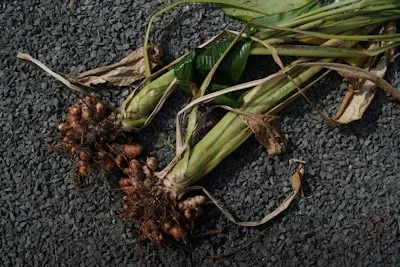
One of fourteen names inside the 500 mg GlycoAid blend
Verdict: Weak to moderate for glucose. One genuine safety caveat depending on the species.
Its Job In What Is GlycoAid
Cinnamon is proposed to improve insulin sensitivity and slow gastric emptying slightly. The compounds credited are cinnamaldehyde and a group of polyphenols called type-A procyanidins.
Neither mechanism is settled, and cinnamon has the awkward distinction of being one of the most-studied and least-conclusive ingredients in this whole space.
On this panel it sits alongside Berberine, which works through a much better-characterised pathway, and White Mulberry Leaf, which targets carbohydrate digestion in the gut rather than insulin signalling.
How Good Is The Evidence?
Fasting glucose: weak and inconsistent. Some trials report reductions, others find nothing. Meta-analyses have landed on both sides depending on which studies they include, which tells you how thin the signal is.
HbA1c: weak. Where reductions appear they are small and often not statistically convincing.
Cholesterol: weak. Same pattern.
The honest position is that cinnamon has been given every chance to prove itself and has not managed it cleanly. It is not useless and it is not the ingredient carrying this formula.
Dose, Timing And What Is Printed
Trials have used anywhere from 1,000 mg to 6,000 mg a day, which is a gram to six grams. Even the low end is twice the total weight of this blend.
So the cinnamon here is a flavour-and-tradition inclusion rather than a therapeutic one. That is not necessarily bad; it also means the coumarin exposure from this product is very small, which is the good news in the next section.
Who Should Check First
Coumarin and the liver. Cassia cinnamon contains coumarin, which is liver-toxic in sustained high intakes. European food safety authorities set a tolerable daily intake of 0.1 mg per kilogram of body weight, which for a 70 kg adult is about 7 mg a day — roughly a teaspoon of cassia powder. A capsule inside a 500 mg blend is nowhere near that. A dedicated cassia cinnamon supplement at gram doses can be.
Liver disease. Anyone with an existing liver problem should mention cinnamon supplements to their doctor for exactly that reason.
Glucose medication. The usual caution, on the assumption that any glucose effect is additive.
Warfarin. Coumarin is not warfarin, and the two are frequently confused. Coumarin itself is not an anticoagulant. The caution here is about the liver rather than about bleeding.
Two Claims This Is Not
Not the same as sprinkling cinnamon on porridge. Culinary amounts are smaller and come with food. That is fine and this page is not an argument against it.
Not a glucose treatment. The evidence never reached the standard that word requires, and no honest page will say otherwise.
This is not medical advice. Any prescription, pregnancy, breastfeeding or diagnosed condition means a word with a doctor or pharmacist before a first capsule. Every interaction worth raising is tabulated on the safety page.
Cinnamon Bark: What People Ask
What readers want to know about this name in particular.
Does cinnamon lower blood sugar?
The human evidence is weak and inconsistent. Some trials find small reductions in fasting glucose and others find nothing, and meta-analyses have gone both ways.
Is cassia cinnamon dangerous?
At culinary amounts, no. At gram-scale supplement doses taken daily for months, the coumarin content is a genuine liver consideration, which is why the tolerable daily intake exists.
Which cinnamon is in GlycoAid?
The label says cinnamon bark without naming a species, which in practice usually means cassia. Ask the seller if it matters to you — brands using Ceylon normally advertise it.
How much cinnamon would I need for an effect?
The trials used one to six grams a day. This entire blend weighs half a gram, so whatever cinnamon is here is well below that.
The Remaining Thirteen
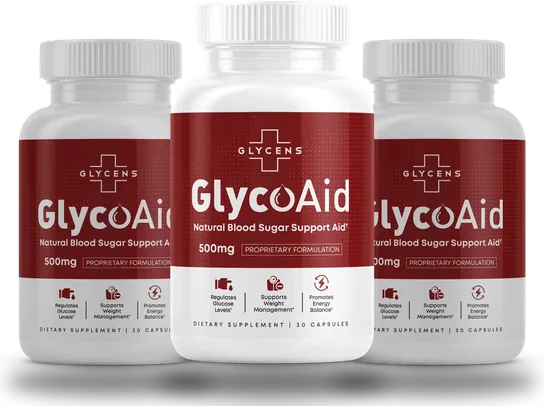
GlycoAid: Fourteen Names, One Capsule A Day
One capsule with a meal, a page for every name on the label, and sixty days to send it back if it does nothing.
- One capsule a day, taken with food
- Fourteen names, every one with its own page here
- Free US delivery on the 3 and 6 bottle packs
- Sixty days to send it back, opened bottles included