Home›Ingredients›Alpha-Lipoic Acid
Ingredient 6 of 14
Alpha-Lipoic Acid In GlycoAid
The ingredient here with the most convincing clinical trials behind it, for a condition this product is not sold for and at a dose it cannot contain.
Alpha-Lipoic Acid: Source And Background
Alpha-lipoic acid is not a botanical. It is a compound your own body makes, used inside mitochondria as a cofactor in the enzyme complexes that turn food into energy. Small amounts occur in spinach, broccoli, organ meats and yeast.
Supplements use synthetic ALA, which comes as a mixture of two mirror-image forms. Only one of them, R-lipoic acid, is the form the body makes, and some products sell that separately at a premium.
It is both water and fat soluble, which is unusual and is why it turns up in antioxidant marketing so often.
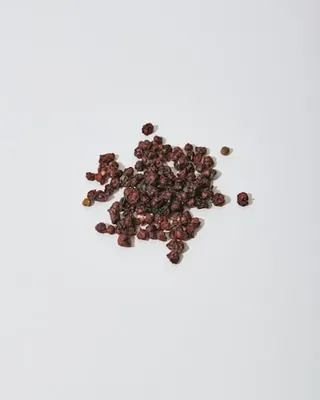
One of fourteen names inside the 500 mg GlycoAid blend
Verdict: Strong for neuropathy at 600 mg. Weak for glucose. Not deliverable at this blend size.
Its Job In What Is GlycoAid
Two things. It is a cofactor in energy metabolism, which is the settled biochemistry. And it is an antioxidant that also regenerates other antioxidants — vitamins C and E, glutathione — which is the property most of its research rests on.
In diabetic peripheral neuropathy, oxidative stress in nerve tissue is thought to be part of the damage mechanism, and that is where ALA has been tested most seriously.
On this panel it pairs with Biotin, the other non-botanical nutrient here, and with Turmeric Root, which is also sold largely on antioxidant grounds.
How Good Is The Evidence?
Diabetic peripheral neuropathy symptoms: strong, at 600 mg a day. Multiple randomised controlled trials, including the well-known ALADIN and SYDNEY studies, report reductions in burning, pain and numbness. In Germany, intravenous ALA has been used clinically for this.
Insulin sensitivity: moderate but modest. Some improvement in markers, mostly at 600 mg or more.
Fasting glucose and HbA1c: weak. Small and inconsistent.
Weight: very weak. Meta-analyses find differences under a kilogram.
Note what that list says. The best evidence for the best-evidenced ingredient on this label is for something GlycoAid is not sold to do, and it belongs with a doctor rather than with a shopping decision.
Dose, Timing And What Is Printed
Six hundred milligrams a day is the standard research dose and the one used in the neuropathy trials. Some studies went to 1,200 or 1,800 mg without clearly better results.
Six hundred milligrams is more than this entire 500 mg blend. There is no arrangement of fourteen ingredients that delivers a research dose of ALA inside it.
Absorption is better on an empty stomach, which sits awkwardly against the take-with-food instruction the rest of this formula needs. That tension is real and it is not resolvable in a single capsule.
Who Should Check First
Glucose medication. ALA can lower blood glucose. The usual supervision applies.
Thiamine deficiency. High-dose ALA can worsen a thiamine deficiency, which matters in people with a history of heavy alcohol use.
Thyroid medication. ALA may interfere with thyroid hormone levels. Mention it to a prescriber.
Insulin autoimmune syndrome. A rare condition reported mainly in Japan and Korea, linked to ALA supplementation in genetically susceptible people.
Two Claims This Is Not
Not a nerve pain treatment as sold here. That evidence is for 600 mg daily as a standalone, under medical supervision, and this is not that.
Not a weight-loss compound. The meta-analyses put it under a kilogram.
This is not medical advice. Any prescription, pregnancy, breastfeeding or diagnosed condition means a word with a doctor or pharmacist before a first capsule. Every interaction worth raising is tabulated on the safety page.
Alpha-Lipoic Acid: What People Ask
What readers want to know about this name in particular.
What is alpha-lipoic acid used for?
Its best-supported use is reducing the symptoms of diabetic peripheral neuropathy at 600 mg a day. Its glucose effects are much weaker and less consistent.
How much ALA is in GlycoAid?
Not printed, and necessarily well under the 600 mg research dose, because 600 mg is more than the whole 500 mg blend weighs.
Should ALA be taken with or without food?
Absorption is better on an empty stomach, which conflicts with the take-with-food advice the rest of this formula needs. In a combination capsule you cannot have both.
Is R-lipoic acid better?
It is the form the body makes and it is better absorbed, but nearly all the clinical trials used the standard racemic mixture, so the evidence is for that.
The Remaining Thirteen
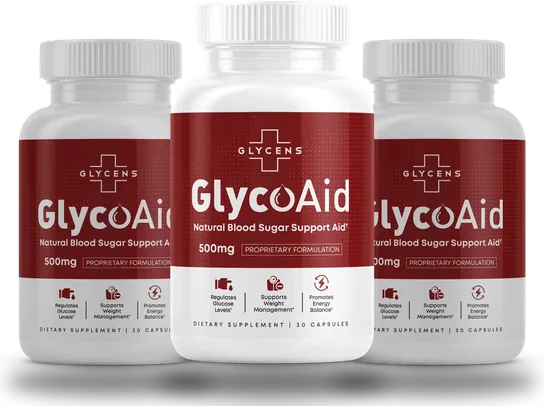
GlycoAid: Fourteen Names, One Capsule A Day
One capsule with a meal, a page for every name on the label, and sixty days to send it back if it does nothing.
- One capsule a day, taken with food
- Fourteen names, every one with its own page here
- Free US delivery on the 3 and 6 bottle packs
- Sixty days to send it back, opened bottles included